

Innovation is racing ahead, but the hands that make it work are in short supply. Across industries, the shortage of skilled craftsmen, technicians and installers is quietly threatening product performance, safety and customer trust. Products are unavailable or fail, not because of design flaws, but because there aren’t enough trained people to build and install them correctly. Companies are now rethinking mechanical design, building products that protect both results and reputation.
When innovation outpaces availability
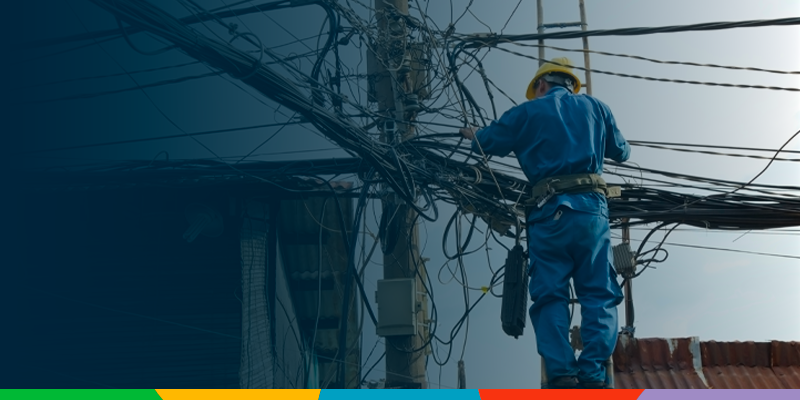
Across many industries, the shortage of skilled workers has become an invisible weak link, one that is quietly undermining product performance, customer satisfaction and even safety. Manufacturers may be pushing technological boundaries, but innovation alone is not enough when there are too few qualified hands to properly build and install increasingly sophisticated systems. For customers, the impact is immediate and frustrating: long waits for installation, reduced access to certain products and, in some cases, systems that fail not because of poor design, but because they were installed incorrectly.
Nowhere is this challenge more evident than in the construction sector. Areas such as gate hardware, ventilation and electrical systems demand deep technical knowledge, rigorous training and years of practical experience. Take ventilation systems as an example. Incorrect drainage can cause unpleasant odors and inefficient pipe layouts with excessive bends will generate more noise and reduce efficiency. Inevitably, this will not only damage system performance but also the product’s and brand’s reputations.
Solutions in mechanical design
In response to this shortage, companies are rethinking mechanical design to ensure performance, safety and protect brand reputation. Mechanical products should be more straightforward so they are easier to build and more intuitive to install so that even less-experienced installers can achieve correct results without compromising quality. The principle is simple: assume that everything that can go wrong will go wrong, and design systems to minimize the risks.
This approach builds on the broader trend of user-centered design. Extensive testing is at the core of this, with tools like failure mode and effects analysis (FMEA) to anticipate risks and prioritize fixes, and poka-yoke and design-for-assembly techniques to ensure components fit together only in the correct way or even better, when it doesn’t matter how they’re installed. The changes can range from complete redesigns to simple nudges, such as clear visual cues, color coding and physical guides.
Of course, redesigning product lines and making products installer-friendly isn’t free. Designers and engineers constantly juggle simplicity with performance, durability and cost, and offer the company the insights needed to make the right decisions through precise data, rigorous testing and past experience. This is crucial because each decision also sends a message about the brand. Over time, documenting lessons learned helps keep that knowledge alive, so new products continue to improve in line with the current climate.
The ripple effect of installer-friendly design
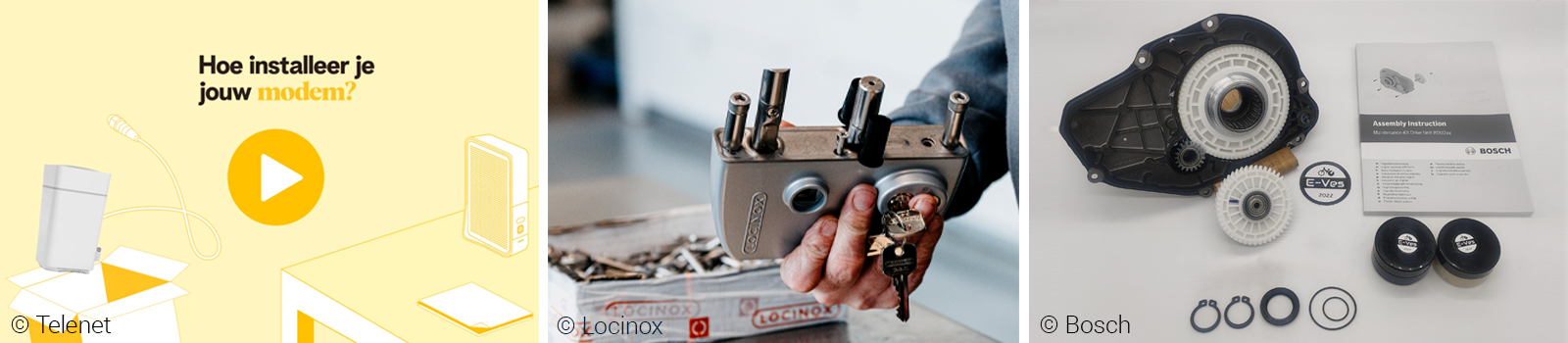
Making products easier to build and install doesn’t just help manufacturers and installers, it benefits everyone along the chain. For customers, it often means shorter wait times and fewer product failures, improving both satisfaction and trust. Design strategies like modular or prefabricated systems make selection, sales and installation easier, allowing for customization without complicating the process. On the other hand, approaches such as design-for-disassembly boost repairability, Bosch, Makita and Fairphone being prime examples.
Simplifying installations also frees highly skilled personnel to focus on complex tasks, whether specialized repairs or intricate system setups. In some cases, straightforward setups can be handled by end users themselves, such as Telenet’s Wi-Fi kits or Renson’s ventilation setup packaging templates.
A third redesign benefit is in standardizing product lines, which reduces the time and effort needed to train installers. Locinox locks, for instance, all follow the same drilling patterns and steps, while apps and digital guides replace bulky manuals, providing accessible instructions for both installers and users. These improvements not only make life easier for professionals but also enhance the end customer’s experience, a win-win across the board.
The future is modular, flexible and user-centered
The shortage of skilled installers isn’t going away anytime soon, and technology isn’t slowing down either. That means companies will need to keep designing with ease of manufacturing, installation, modularity and personalization in mind. While prefab and simplified systems may make manufacturing and installation easier, customers still want to be able to customize and personalize according to their needs and preferences. Modular approaches will have to ensure people can mix and match, just as in the car industry, where ‘blocks’ of features give users more freedom. In this context, young designers and external consultants can also bring fresh eyes and new ideas to challenge old habits. In the end, thinking about manufacturers, installers and users isn’t just practical, it’s becoming a key way to stay competitive, flexible and trusted in a fast-changing world.