

• Insights
    • Blog
    • Perspectives
    • Webinars
  • Offerings
    • Strategic innovation
    • Digital innovation
    • Product innovation
    • High-tech innovation
    • On-site consulting
    • Verhaert NL
  • Markets
    • Space & security
    • FMCG
    • Life sciences
    • Industry
  • Capabilities
    • AILab
    • DesignLab
    • DigitalLab
    • EmbeddedLab
    • FabLab
    • InnoLab
    • MechLab
    • OpenLab
    • OpticsLab
    • PhysicsLab
  • Technologies
    • Technology portfolio
    • IoT & sensors
    • AI & data science
    • Robotics & autonomy
    • Cooling, heating & fluidics
  • About
    • News
    • Our story
  • Careers
  • Contact
Verhaert Masters in InnovationVerhaert Masters in Innovation
  • Insights
        • Blog
        • Perspectives
        • Podcast
        • Webinars
        • FEATURED
          Innovation Day 2026
  • Offerings
        • Strategic
          innovation
        • Digital
          innovation
        • Product
          innovation
        • High-tech
          innovation
        • On-site
          consulting
        • FEATURED
          Verhaert NL
  • Markets
        • Space & defense
        • FMCG
        • Life sciences
        • Industry
  • Capabilities
        • AILab
        • DesignLab
        • DigitalLab
        • EmbeddedLab
        • FabLab
        • InnoLab
        • MechLab
        • OpenLab
        • OpticsLab
        • PhysicsLab
  • Technologies
        • IoT & sensors
        • AI & data science
        • Robotics & autonomy
        • Cooling, heating & fluidics
        • Optics
  • About
        • News
        • Our story
  • Careers
  • Contact

Smart solutions for bicycle lockers

15 February 2021 Posted by Lieven Claeys Perspectives, Digital innovation, Industry & chemistry

Commuting traffic in these innovative times is completely different than roughly 10 years ago. We’re making more use of multimodal transport: combinations by car, public transport, bicycle or e-bike. Thanks to the introduction of e-bikes, we also cover longer commuting distances by bike. However, no one likes to leave their expensive e-bike unsecured or unprotected against bad weather conditions at the station or on the company car park. Moreover, when you don’t use your e-bike during the working day, you want to use that time to charge it.
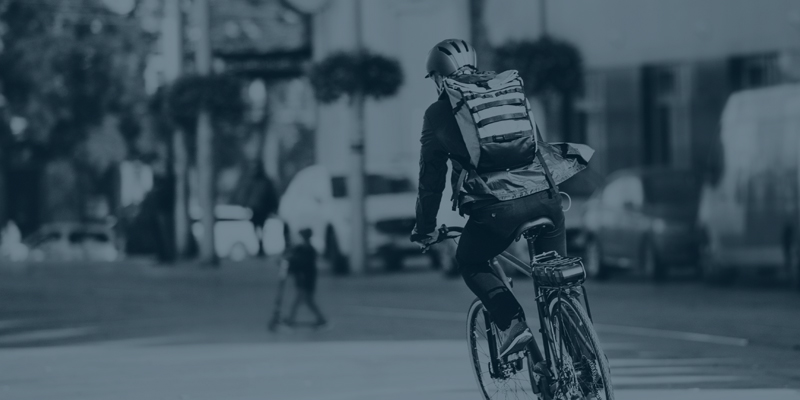

Bicycle locker of the future

Therefore new needs and demands arise in relation to our daily transport. As a user you want to be informed about the presence of your bike, how much is your bike already charged, is the access to your bike still closed … You may also want to receive a warning on your smartphone in case of a suspicious event (gate open, bike moves …) so you can act immediately.

These changed requirements mean that a bicycle locker has to be more than just a mechanical construction. A bike locker must therefore evolve into an intelligent, integrated solution where mechanical, electronic and software components are connected in a seamless way. The bike parking of the future no longer stands alone, but is connected to its users and managers, is aware of its environment and automatically responds to it (access control, security, status reports, recommendations, …). That way, the bicycle parking facility not only fulfills a utility function, but becomes an intelligent and personalized service as well.

Manufacturers of bicycle parkings face a huge challenge here. At the same time, the technical upgrading of the bicycle storage is a great opportunity to create added value as a manufacturer and thus have a strong competitive advantage over previously low-cost solutions from low-wage countries. Not only in the field of architecture, but also in the field of the earnings model, new opportunities arise. Consider, for example, offering ‘bicycle storage as a service’ via a subscription model.
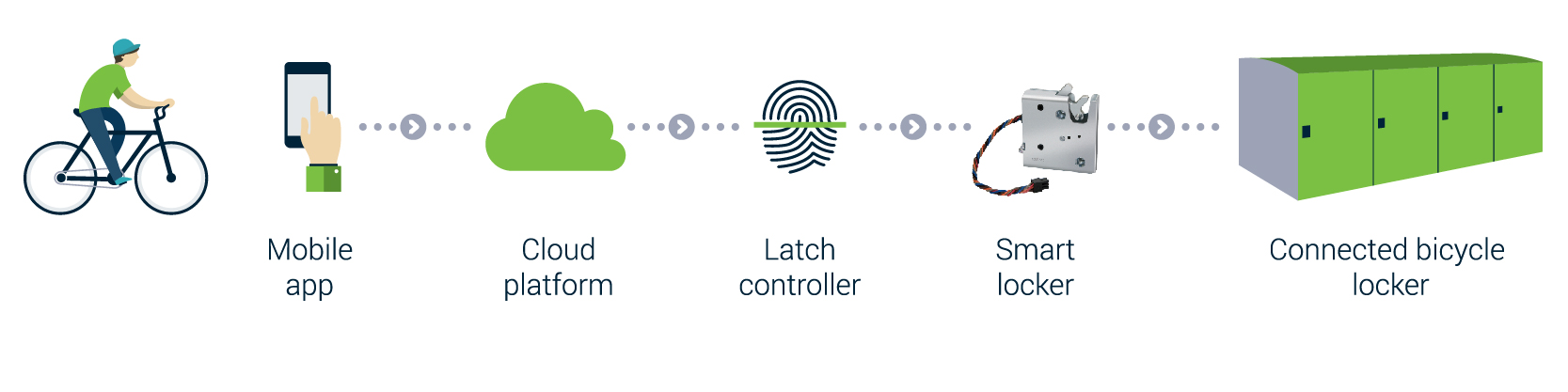
System structure intelligent bicycle lockerSystem structure intelligent bicycle locker © VERHAERT


8 attention points of a bicycle locker

So we can clearly identify 2 trends for access hardware:

  • Mechanical locks are being replaced by electronically controlled versions.
  • The introduction of connectivity and apps in simple applications to make them more intelligent.


As both challenges require different competences than traditionally necessary in the sector, it becomes a greater challenge to develop new products that are ready for the needs of tomorrow and to be able to overcome these technical and non-technical challenges.


Download the perspective to continue reading on the 8 (non-)technical challenges and the partners to get the technological know-how in order to bring this story to a successful end.

Tags: Internet of ThingsMechanical design
NEWSLETTER
OTHER CONTENT
  • How to accelerate innovation in new product development
  • Industry – Rebuilding industrial capacity and the innovation challenges it brings
  • Space & Defense – From a closed industry toward an open innovation ecosystem
Verhaert group

Verhaert Masters in Innovation is a pioneering innovation group helping companies and entrepreneurs to innovate, creating new products, businesses and services.

Verhaert icon LinkedIn Verhaert icon YouTube Verhaert icon Instagram Verhaert icon phone Verhaert icon mail

Offerings
Markets
Capabilities
Technologies
Perspectives
Blogs
Webinars
About
News
Careers
Contact

© 1969-2026 • Verhaert New Products & Services NV • BE 0439.039.420 • Privacy policy • Terms of use