

A trip down memory lane
The widespread popularization of café culture has reshaped how consumers experience coffee, turning it into a daily ritual defined by quality, convenience and choice. As café visits increased, so did expectations at home, pushing consumers to seek the same level of control and consistency in their own kitchens. In recent decades, coffee has shifted further toward personalisation, covering strength, temperature, milk type and foam texture. At the same time, plant-based milk has moved from niche alternative to mainstream choice, increasing the need for advanced milk systems that can support a growing diversity of coffee beverages.
Why milk choice creates a technical problem
The growing diversity of milk options has introduced a complex technical challenge for coffee systems. Milk foaming depends heavily on its protein and fat composition, which directly influences stability and texture. Most current foaming technologies require a minimum protein level of around 1% to ensure consistent results. However, some plant-based alternatives fall far below this threshold, for example, coconut milk contains only around 0.1% protein, making stable foam formation significantly more difficult.
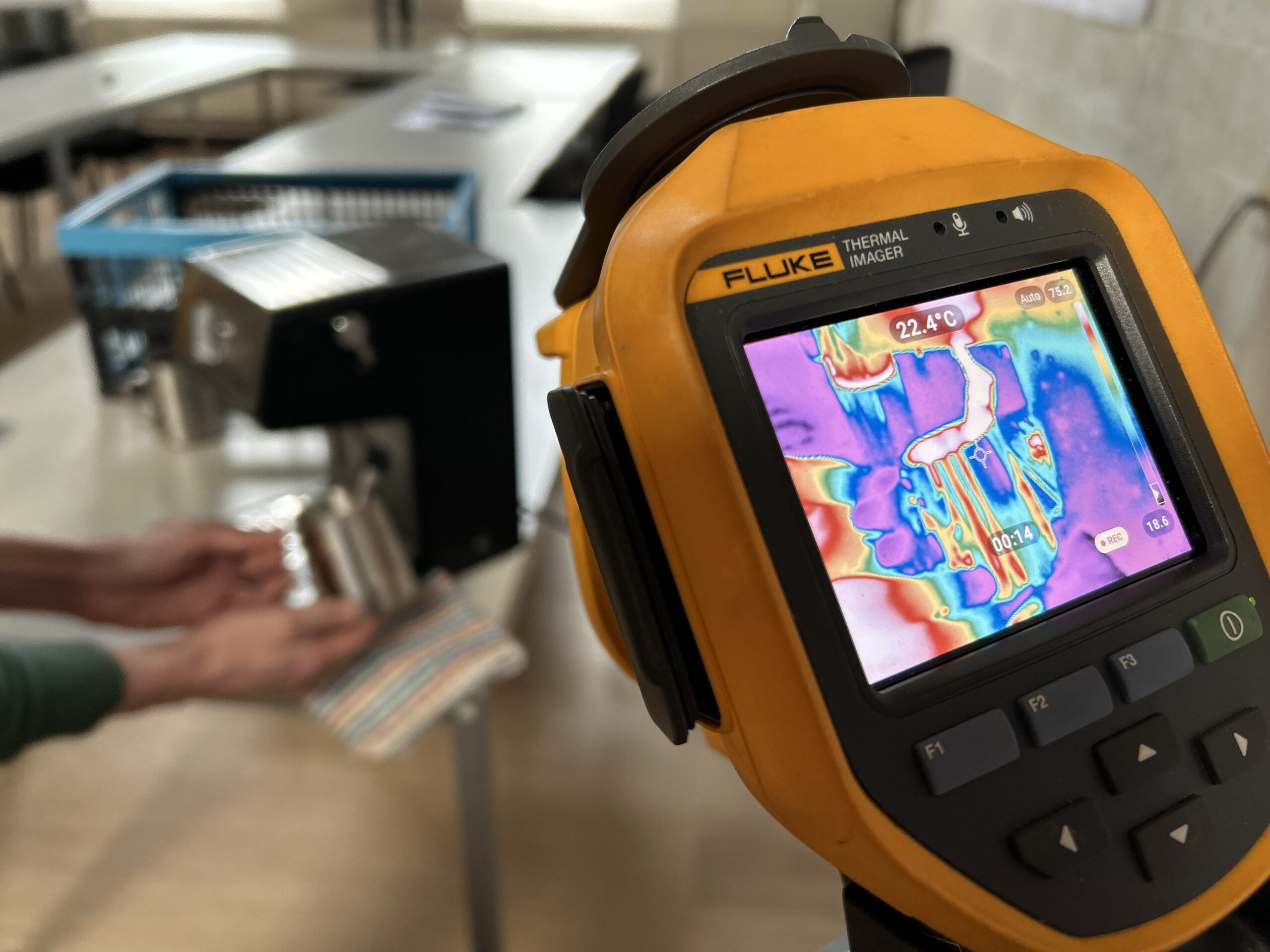
Beyond protein content, plant-based milks also vary widely in how they respond to heat, steam, agitation, and emulsification, leading to inconsistent performance across different drinks and machine settings. This variability creates a major engineering challenge for manufacturers aiming for universal compatibility.
At the same time, consumer expectations have risen sharply. While over 80% of coffee is now consumed at home, 72% of consumers still believe professional barista output is superior, highlighting a clear performance gap. Café culture has set a high standard for latte art and microfoam consistency, and home users increasingly expect the same quality.
How coffee machine makers are responding
Coffee machine manufacturers are responding to the rise in milk diversity by developing a range of proprietary milk foaming technologies tailored to different consumer needs. The goal is to deliver a consistent sensory experience, balancing texture, taste, and visual appeal, such as microfoam quality. This requires precise control over the interaction between gas, liquid, and surfactants, achieved through carefully calibrated energy inputs within the system.
A key innovation focus is flexibility, with machines increasingly designed to handle both hot and cold foam variations, while adapting to the specific characteristics of different milk types, including plant-based alternatives. At the same time, hygiene has become a critical engineering challenge. Milk is a high-risk bio-contaminant, this in combination with the variety of types and uses, requires robust systems that prevent microbial growth. As a result, manufacturers are investing in Clean-in-Place (CIP) technologies and redesigning internal fluid pathways to eliminate stagnant zones and ensure compliance with strict food safety standards.
Future outlook
Looking ahead, coffee machines are set to become increasingly intelligent and adaptive. Future systems will likely auto-detect milk types and use AI-driven calibration to optimize texture and foam quality in real time. Foam profiles will expand beyond the simple dairy versus non-dairy distinction, enabling more precise customization by beverage and user preference. As a result, milk is no longer a passive ingredient but a key design constraint and innovation driver, transforming coffee machines into fully adaptive beverage platforms.
Milk handling is only one part of that broader engineering challenge. As beverage appliances become more compact, versatile and performance-driven, product teams are also exploring new ways to:
- Cool products efficiently in increasingly compact systems
- Control pressure, temperature and flow throughout the dispense path
- Use CFD and thermal simulation to reduce development risk before hardware is built